adas guide
Rain Sensors, Cameras and Heated Glass: Windscreen Features
 Images are illustrative only
In short: A modern windscreen can carry a rain sensor (for auto wipers), a light sensor (for auto headlights), an ADAS camera (for lane-keep and auto-braking), heated elements (to clear fog and ice), acoustic glass (to cut road noise) and a head-up display zone. Every feature your original windscreen had must be matched in the replacement, and the ADAS camera must be recalibrated. That is why a feature-rich windscreen costs more to replace in Adelaide.
Key takeaways
- Rain and light sensors drive auto wipers and auto headlights.
- The ADAS camera runs lane-keep and auto-braking, and needs calibration.
- Heated elements and acoustic glass add cost and must be matched.
- Head-up display windscreens use a special reflective layer.
- The replacement glass has to match every feature the original had.
A modern windscreen is one of the most technology-dense parts of your car. What looks like a single sheet of glass can contain half a dozen features, each of which the replacement glass has to match exactly. Understanding them explains both why your windscreen costs what it does and why the fitter needs to get the exact right glass for your car.
The features you might have
| Feature | What it does | Effect on replacement |
|---|---|---|
| Rain sensor | Triggers the auto wipers when it detects water | Must be transferred and reconnected |
| Light sensor | Switches headlights on automatically at dusk | Must be transferred and reconnected |
| ADAS camera | Runs lane-keep, auto-braking, adaptive cruise | Requires recalibration ($350 to $850) |
| Heated glass | Clears fog and ice via fine heating elements | Replacement glass must have the element |
| Acoustic glass | A sound-damping layer that cuts road noise | Must match, or the cabin gets louder |
| Head-up display | Projects speed onto a reflective zone | Needs the special HUD-compatible glass |
Sensors: small parts, real work
Rain and light sensors sit against the glass behind the mirror. They are not the same as the ADAS camera, and they do not need calibration, but they do need to be carefully transferred to the new glass and reconnected, often with a fresh gel pad so they read correctly. A rushed job can leave your auto wipers or auto headlights not working, which is a small but annoying sign of a corner cut.
The ADAS camera: the one that needs calibration
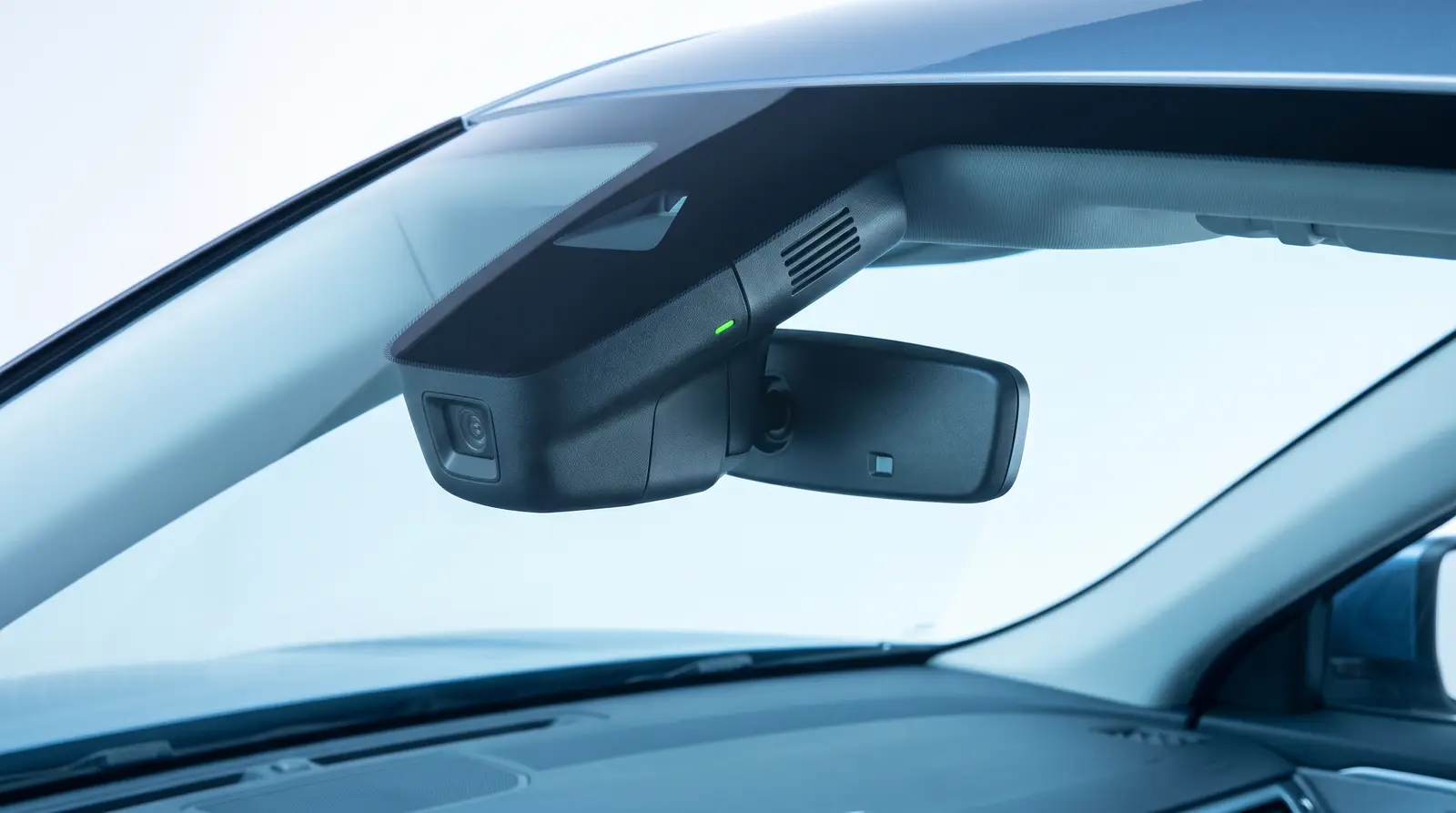
The forward-facing camera is the feature that changes the whole job. Unlike the sensors, it is not just transferred and reconnected: it is recalibrated so its aim is precise after the glass moves. This is the $350 to $850 step, and it is the difference between a simple older-car windscreen and a modern one. If your car has this camera, calibration is not optional.
Comfort features: heated and acoustic glass
Heated windscreens use fine heating elements baked into the glass to clear fog and ice quickly, handy on a frosty Adelaide Hills morning. Acoustic glass has a sound-damping interlayer that noticeably quietens the cabin. Both must be matched in the replacement: fit plain glass to a car that had acoustic glass and the driver immediately notices the extra road noise. This is why the exact glass part number matters.
Head-up display windscreens
If your car projects your speed onto the windscreen, it has a special reflective layer built into the glass in the display zone. A standard windscreen will not display the image correctly, so a HUD car needs HUD-compatible glass, which is dearer. Always mention a head-up display when getting a quote.
Ready for a firm price on your car?
Get a free quote from a local Adelaide specialist who can come to you.
Get free quotes