adas guide
What Is ADAS Calibration and Why Your Car Needs It
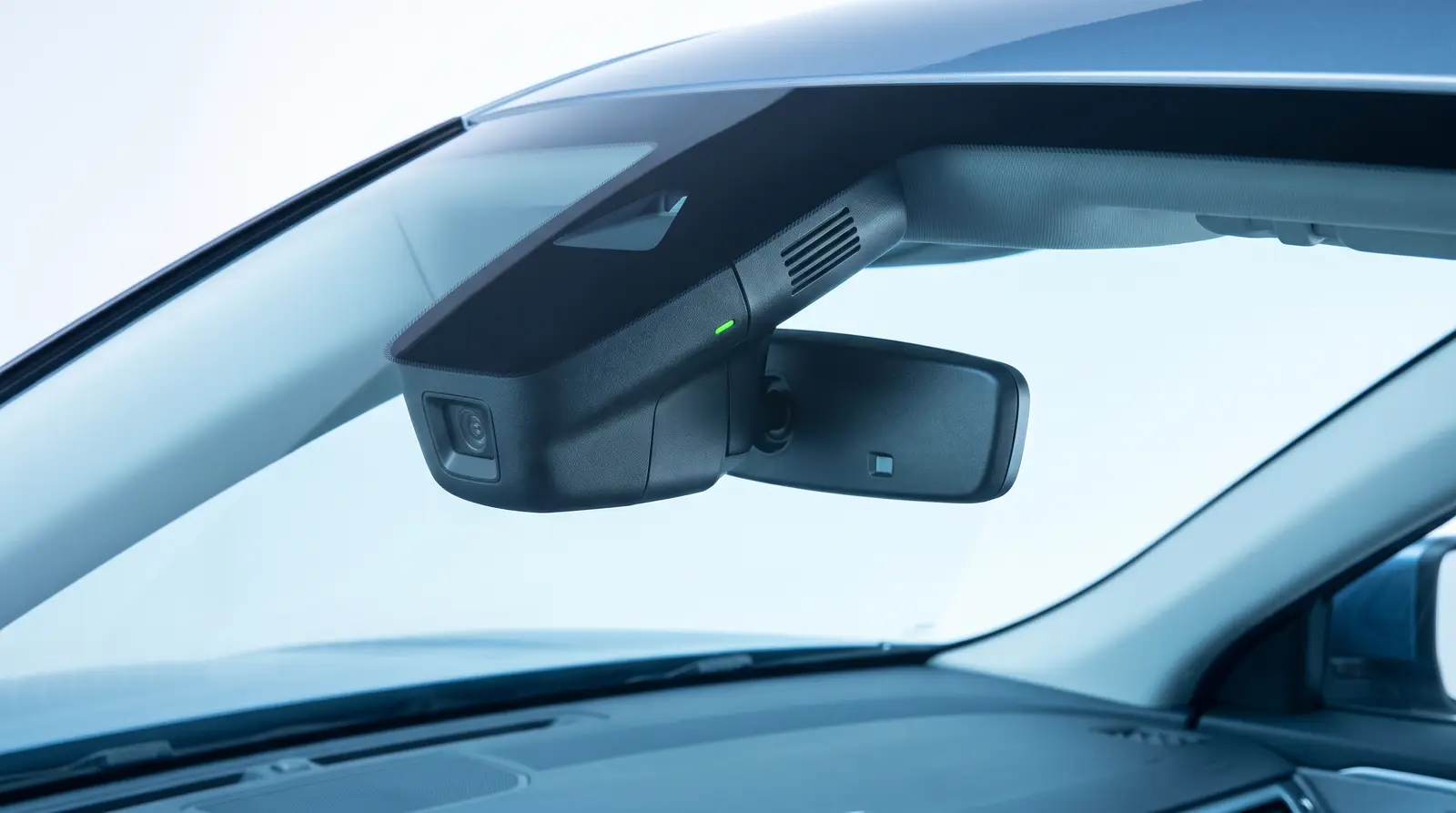 Images are illustrative only
In short: ADAS calibration is the process of precisely re-aiming the forward-facing camera on your windscreen after the glass has been replaced. That camera runs lane-keep assist, automatic emergency braking and adaptive cruise, and when the windscreen moves, the camera’s aim shifts with it. Calibration realigns it so the systems read the road correctly. In Adelaide it adds $350 to $850 to a windscreen job, and it is required, not optional, on most cars built from around 2018.
Key takeaways
- ADAS calibration re-aims the windscreen safety camera after a glass replacement.
- It powers lane-keep, auto-braking and adaptive cruise, so accuracy is safety-critical.
- Required on most cars from around 2018 with a forward-facing camera.
- Adds $350 to $850 in Adelaide, usually covered on comprehensive insurance.
- There are 2 methods: static (workshop rig) and dynamic (road drive).
ADAS stands for Advanced Driver Assistance Systems, the suite of features that watch the road and step in when you drift or brake late. On the vast majority of modern cars, these features rely on a single camera mounted at the top of the windscreen, right behind the rear-view mirror. That camera is the eye of the system, and where it points is everything.
Why replacing the glass breaks the aim
When a windscreen is removed and a new one bonded in, the camera is unmounted and remounted. Even a perfect refit shifts its position by a fraction of a millimetre or a fraction of a degree. That sounds trivial, but the camera is judging distances and angles hundreds of metres down the road, so a tiny error at the lens becomes a large error at the target. An uncalibrated camera might think a lane marking is 30cm to the left of where it really is, or misjudge the gap to the car in front.
Calibration is the procedure that measures and corrects that aim, telling the car exactly where the camera is now looking so the software can trust what it sees. It is not a formality or an upsell. It is the step that makes the safety systems safe again.
What the camera actually controls
- Lane-keep assist and lane-departure warning: reads the lane lines and nudges you back.
- Automatic emergency braking: spots a stopped car or pedestrian and brakes if you do not.
- Adaptive cruise control: holds a set gap to the car ahead.
- Traffic-sign recognition: reads speed-limit signs and shows them on the dash.
- High-beam assist: dips the headlights for oncoming traffic.
The 2 calibration methods
There are 2 ways to calibrate, and your manufacturer decides which applies. Static calibration is done in a workshop with the car parked square to precise target boards. Dynamic calibration is done by driving the car at set speeds on clearly marked roads while the system re-learns. Some cars need one, some the other, and some both. A good Adelaide fitter tells you which method your car needs before booking.
What it costs in Adelaide
Calibration adds $350 to $850 to a windscreen replacement here, on top of the glass itself. Static calibration usually costs more than dynamic because it needs more equipment, space and time. On comprehensive insurance the calibration is part of the windscreen claim, so you pay your excess and not the calibration as a separate line.
Ready for a firm price on your car?
Get a free quote from a local Adelaide specialist who can come to you.
Get free quotes