adas guide
ADAS, Modern Cars and Choosing a Windscreen Fitter in Adelaide
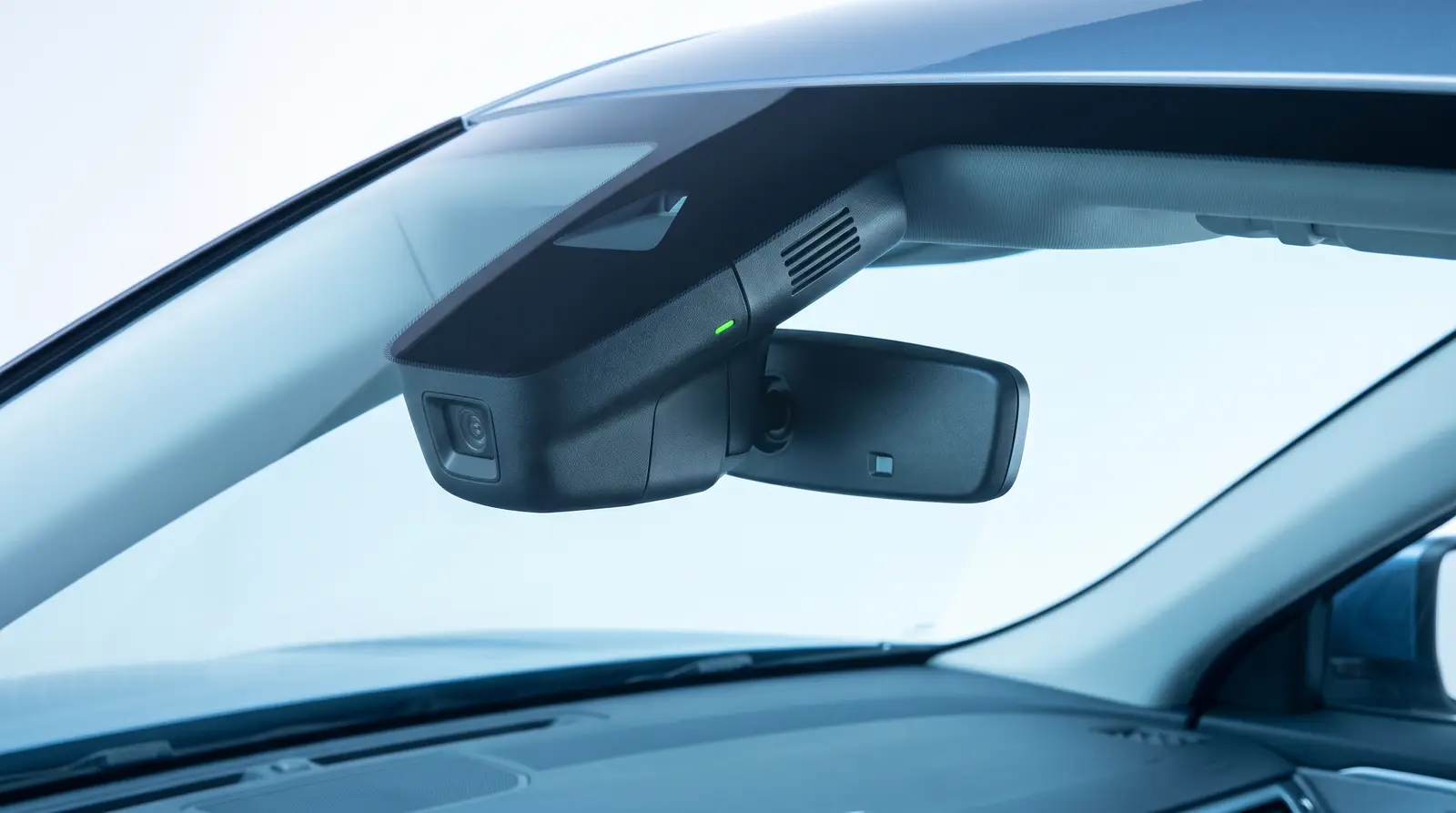 Images are illustrative only
In short: Most cars built from around 2018 have a forward-facing camera on the windscreen that runs lane-keep and auto-braking, and it must be recalibrated after the glass is replaced. In Adelaide, ADAS calibration adds $350 to $850 to the job, and skipping it can leave your safety systems reading the road wrong. Choosing a fitter is really about one thing: can they calibrate your car (or arrange it) with the right glass, and will they put the whole price in writing.
Key takeaways
- Most cars from about 2018 carry a windscreen camera that needs recalibration.
- ADAS calibration adds $350 to $850 on top of the glass in Adelaide.
- Eastern-suburbs European cars often need static calibration and OEM glass.
- The right fitter confirms calibration, glass type and safe-drive-away time upfront.
- On comprehensive cover the calibration is usually part of the claim, so you pay your excess.
A windscreen used to be a sheet of glass. On a modern car it is a mounting point for the camera that watches the road, so replacing it is now half a glass job and half an electronics job. That second half, ADAS calibration, is where most of the confusion, cost and risk lives, and it is the single biggest reason choosing the right Adelaide fitter matters more than it used to.
ADAS stands for Advanced Driver Assistance Systems: lane-keep assist, automatic emergency braking, adaptive cruise control, traffic-sign recognition and lane-departure warning. On most cars these features rely on a camera bonded to the top of the windscreen behind the rear-view mirror. Move the glass, and the camera moves with it. Even a fraction of a degree out and the car can misjudge where the lane markings are or when to brake. Calibration re-aims that camera so the systems work the way the factory intended.
Which cars need it, and from when
As a rule of thumb, if your car was built from around 2018 and has lane-keep or auto-braking, it has a windscreen camera that needs calibrating after a replacement. Every major brand on Adelaide roads has its own name for the package:
| Make | Driver-assist system | Common from |
|---|---|---|
| Toyota | Toyota Safety Sense | 2018 |
| Mazda | i-Activsense | 2017 |
| Hyundai | SmartSense | Recent i30 / Tucson / Kona |
| Kia | Drive Wise | Recent Sportage / Seltos / Sorento |
| Volkswagen | Front Assist / IQ.Drive | Recent Golf / Tiguan / Passat |
| Subaru | EyeSight | 2015 onward |
Subaru is worth a special mention: its EyeSight system uses a twin-camera setup and has needed calibration on windscreen replacement longer than most. If you drive an Adelaide Outback, Forester or XV, assume calibration applies.
Static versus dynamic calibration
There are 2 ways to recalibrate the camera, and your car’s manufacturer decides which one applies. Dynamic calibration is done by driving the car at set speeds on clearly marked roads while the system re-learns. Static calibration is done in a workshop, with the car parked square to precisely-placed target boards. Some cars need one, some need the other, and some need both in sequence.
This matters when you choose a fitter, because static calibration needs a level, well-lit indoor space and the correct target boards for your make. A mobile-only operator working in your driveway may not be set up for a static job. In Adelaide’s eastern suburbs (Burnside, Unley, Norwood), where European cars are concentrated, static calibration is common, so the fitter needs the right facility.
The Adelaide cost of getting it right
Calibration adds $350 to $850 to a windscreen replacement, on top of the glass. That is why a modern-car quote of $1,100 is normal and a suspiciously cheap quote on the same car often means calibration has been quietly left off. On comprehensive insurance the calibration is part of the windscreen claim, so you pay your excess and not the calibration separately.
OEM glass and why prestige cars are different
Aftermarket glass made to the same safety standard is fine on most common cars and keeps the price down. On prestige and European cars, insurers frequently specify OEM (the exact brand the factory fitted), because the camera reads through a precise optical zone in the glass and the manufacturer wants that zone to match. Cheaper glass with the wrong optical properties can make calibration fail or drift. If you drive a VW, BMW, Mercedes or Audi, expect OEM glass and a static calibration, and choose a fitter equipped for both.
How to choose the right Adelaide fitter
Once you understand ADAS, choosing a company becomes straightforward. You are looking for a specialist who can do (or reliably arrange) your calibration, source the right glass, and quote the whole job honestly. The questions that separate a good fitter from a cheap one are:
- Does my car need ADAS calibration, and is it included in this price?
- Is the calibration static, dynamic or both, and are you set up to do it?
- Is the glass OEM or aftermarket, and does my insurer require OEM?
- What is the safe-drive-away time before I can drive on the new bond?
- What warranty comes with the glass and the fit?
The rest of this guide breaks each of these down: what calibration is, static versus dynamic, what happens if you skip it, which cars need it, how to choose a company, the questions to ask, OEM versus aftermarket, warranties, sensor features, common mistakes, and where you legally stand in South Australia. When you are ready, get matched with a local Adelaide specialist who does ADAS calibration, and ask them to confirm every one of the points above before any work starts.
Ready for a firm price on your car?
Get a free quote from a local Adelaide specialist who can come to you.
Get free quotes