adas guide
Static vs Dynamic ADAS Calibration Explained
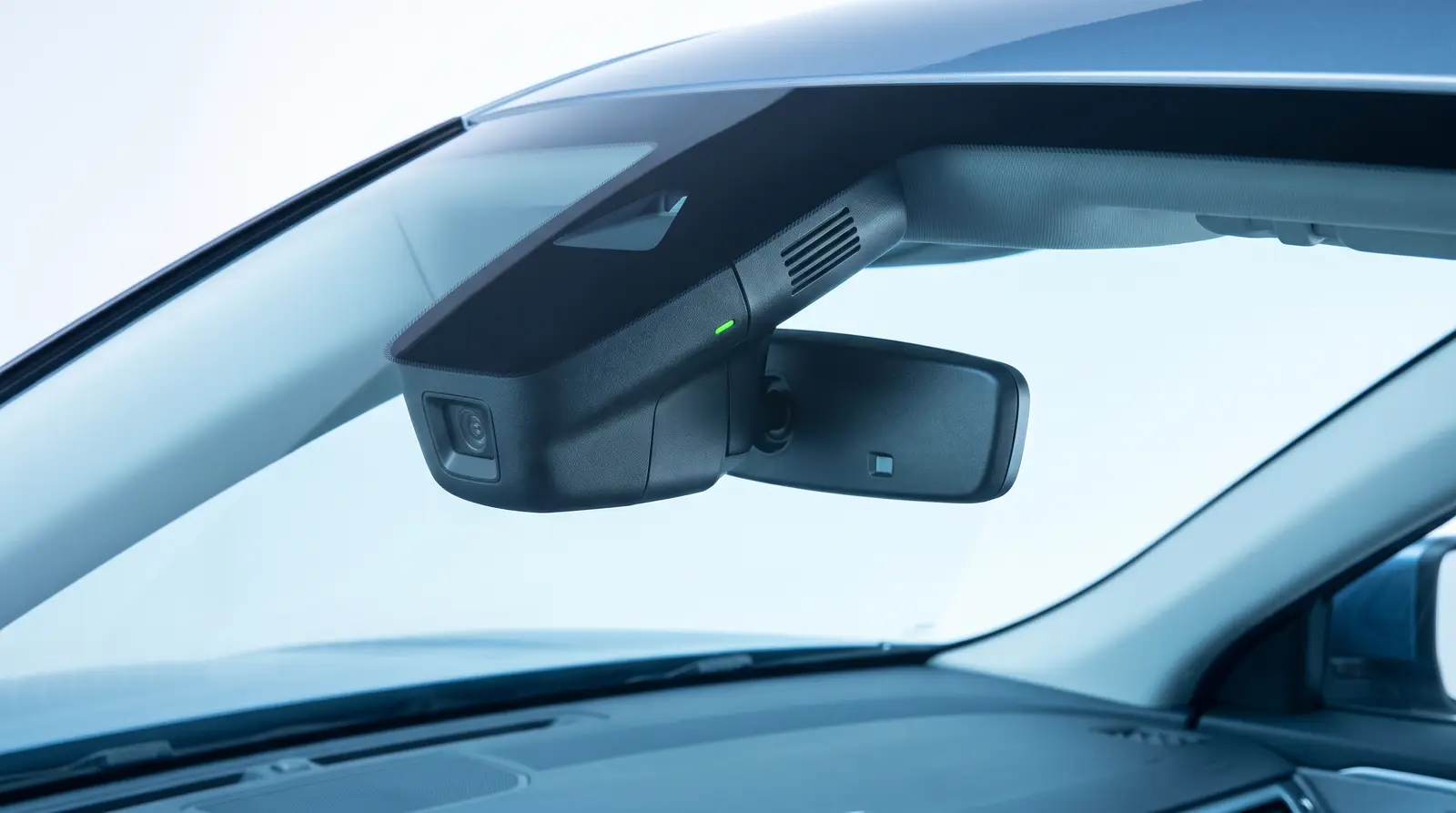 Images are illustrative only
In short: Static ADAS calibration is done in a workshop with the car parked square to precisely-placed target boards, while dynamic calibration is done by driving the car at set speeds on clearly marked roads while the system re-learns. Your manufacturer decides which one your car needs, and some cars need both. In Adelaide, static calibration usually costs more because it needs a dedicated space and target rig, and many European makes require it.
Key takeaways
- Static: workshop, target boards, car stationary. Usually pricier.
- Dynamic: a road drive at set speeds while the system re-learns.
- The manufacturer decides which method applies, not the fitter.
- Some cars need both static and dynamic in sequence.
- European makes commonly require static, so the fitter needs a proper facility.
After a windscreen replacement, the safety camera has to be recalibrated, and there are 2 ways to do it. Which one your car needs is set by the manufacturer and printed in the service procedure, so it is not a choice made for convenience or price. Understanding the difference helps you pick the right Adelaide fitter, because the 2 methods need very different setups.
Static calibration
Static calibration is done indoors with the car stationary. The technician parks it square to the wheels, sets up manufacturer-specific target boards at exact distances and heights in front of the car, and runs a diagnostic routine that tells the camera where it is looking by reference to those targets. It demands a level floor, controlled lighting, enough clear space in front of the car, and the correct targets for your make.
Dynamic calibration
Dynamic calibration is done on the road. The technician plugs in a diagnostic tool and drives the car at set speeds (often 50 to 80km/h) on roads with clear lane markings, in good conditions, while the system observes real-world lane lines and other traffic and re-learns its aim. It needs suitable roads and decent weather, which in Adelaide is rarely a problem but can delay a job on a wet, poorly-marked day.
Side by side
| Feature | Static | Dynamic |
|---|---|---|
| Where | Workshop, indoors | On the road |
| Car | Stationary | Driven at set speeds |
| Needs | Target boards, level floor, space | Marked roads, good weather |
| Typical cost | Higher | Lower |
| Common on | Many European makes | Many Japanese / Korean makes |
| Weather-dependent | No | Yes |
Why some cars need both
A number of makes require a static calibration first to set the baseline, then a dynamic drive to confirm it in real conditions. This is more common on European cars and on vehicles with multiple sensors (camera plus radar). If your car needs both, the job takes longer and costs more, and a good fitter will explain that before you book rather than after.
What this means for choosing a fitter in Adelaide
Dynamic-only cars can often be handled by a well-equipped mobile operator, because the calibration happens on a drive. Static and static-plus-dynamic cars need a workshop with the right space and target boards. If you drive a European car in the eastern suburbs, ask specifically whether the fitter is set up for static calibration for your make. Getting matched with a specialist who confirms this upfront saves a wasted booking.
Ready for a firm price on your car?
Get a free quote from a local Adelaide specialist who can come to you.
Get free quotes