adas guide
OEM vs Aftermarket Windscreens: What Is the Difference?
 Images are illustrative only
In short: OEM (Original Equipment Manufacturer) glass is the exact brand the factory fitted; aftermarket glass is made to the same Australian safety standard by an independent maker. On a common car, quality aftermarket glass is safe and noticeably cheaper. On a prestige or European car, insurers often specify OEM, partly because the ADAS camera reads through a precise optical zone that the manufacturer wants matched. Both are legal and safe; the choice is about matching, optics and what your insurer allows.
Key takeaways
- OEM is the factory brand; aftermarket is made to the same safety standard.
- Quality aftermarket glass is safe and cheaper on common cars.
- Prestige and European cars often need OEM, sometimes by insurer rule.
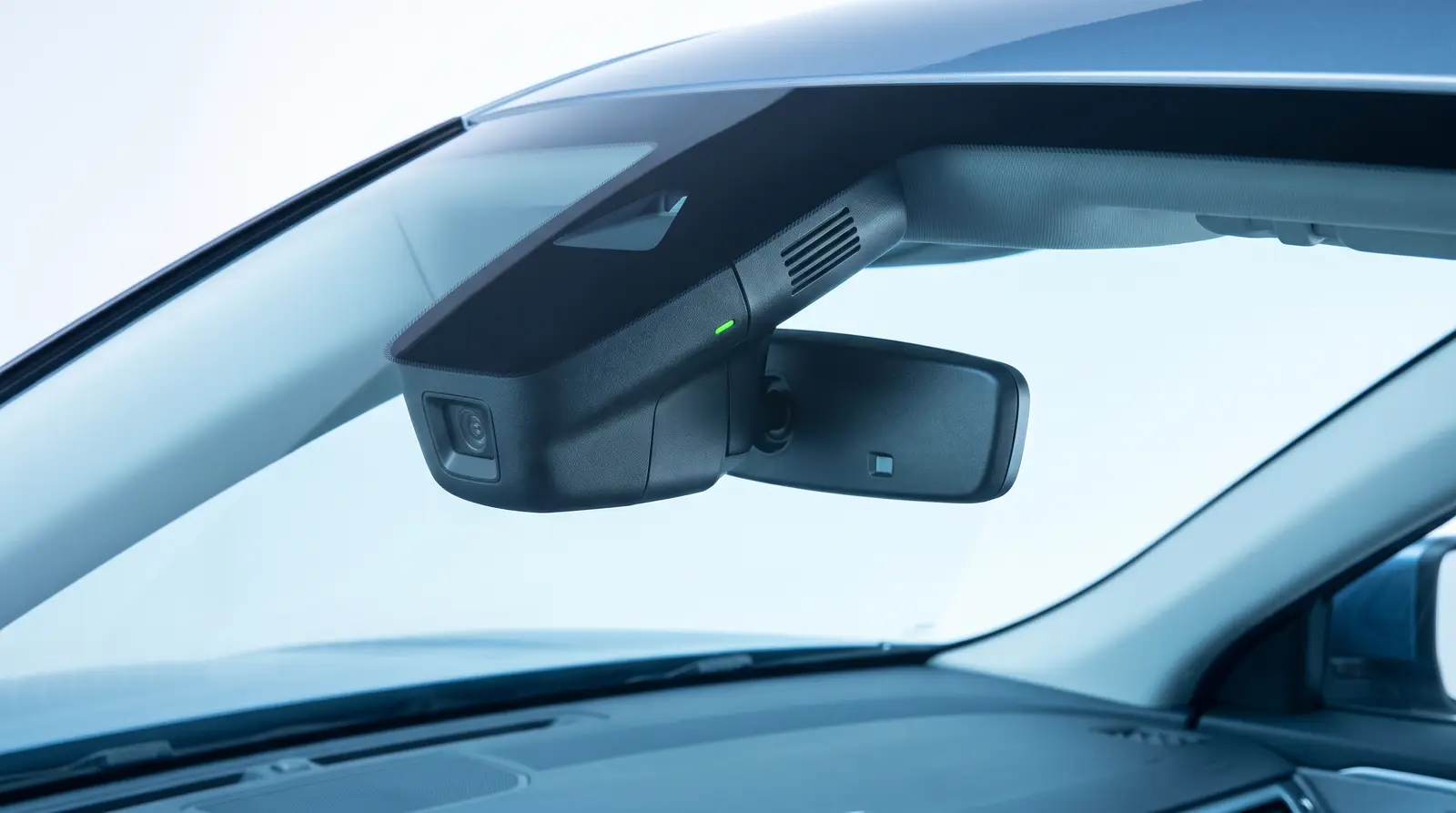
- The ADAS camera reads through the glass, so optical match matters.
- It is often the one cost lever you can actually control.
When you get a windscreen quote, you will often be asked, or should ask, whether the glass is OEM or aftermarket. It sounds like jargon, but it is one of the few genuine choices you have, and on some cars it is a choice your insurer makes for you. Here is the plain-English difference.
What OEM means
OEM stands for Original Equipment Manufacturer. OEM glass is made by the same supplier that produced the windscreen your car left the factory with, and it usually carries the car brand’s logo. It is, in effect, an identical replacement to the original.
What aftermarket means
Aftermarket glass is made by an independent glass maker to the same Australian Design Rules and safety standards, but without the car brand’s logo. Quality aftermarket glass from a reputable maker is safe, legal and fits properly. It is cheaper because you are not paying for the badge or the manufacturer’s supply chain.
Side by side
| Factor | OEM | Quality aftermarket |
|---|---|---|
| Made by | Factory’s original supplier | Independent maker to the same standard |
| Safety standard | Meets ADR | Meets ADR |
| Cost | Higher | Lower |
| Optical match for ADAS | Exact | Usually good; can vary by supplier |
| Insurer preference | Often required on prestige cars | Accepted on most common cars |
| Best for | European / prestige / where insurer requires it | Common cars where OEM is not required |
Why ADAS makes the choice matter more
On an older car, the glass just needs to be the right shape and meet the safety standard. On a modern car, the forward-facing camera reads the road through a specific optical zone in the windscreen. If the replacement glass has slightly different optical properties in that zone, calibration can be harder or the camera’s view can be subtly distorted. This is the real reason manufacturers and insurers lean toward OEM on ADAS-heavy prestige cars: they want the optical zone identical.
When Adelaide insurers require OEM
On comprehensive cover, many insurers accept quality aftermarket glass on common cars but specify OEM on prestige and European makes. In Adelaide’s eastern suburbs (Burnside, Unley, Norwood), where VW, BMW, Mercedes and Audi are common, OEM-required jobs are the norm. If your insurer requires OEM, a quote that assumed aftermarket will rise, so confirm this before booking. Check your policy or ask your insurer directly.
Ready for a firm price on your car?
Get a free quote from a local Adelaide specialist who can come to you.
Get free quotes